
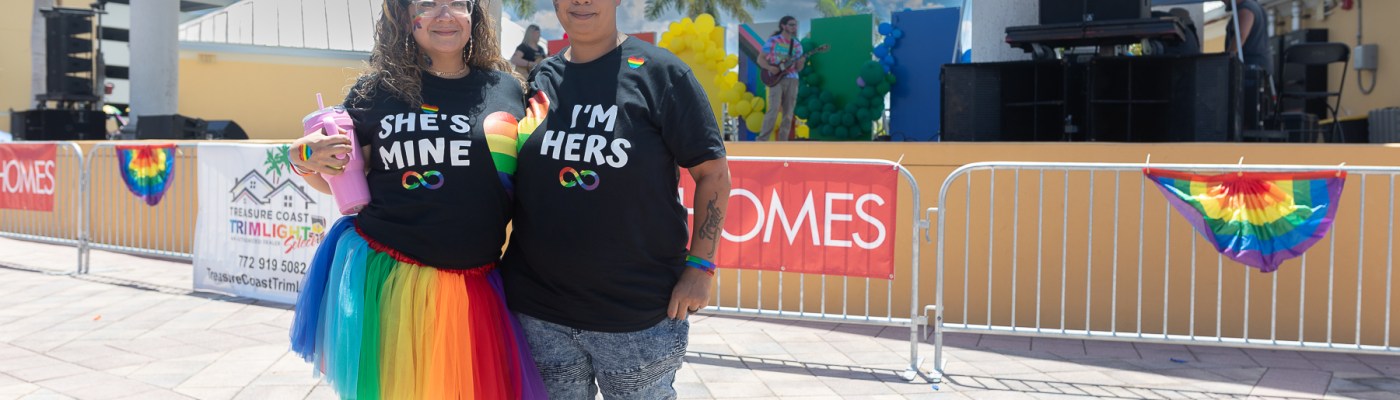
 Love is a powerful force that has the ability to bring people together, to heal wounds and to create a sense of belonging. Unfortunately, this force is not always extended to the LGBTQ community. Members of this community have been subjected to hate, discrimination, and violence simply because of who they are. This has created a desperate need for love to be extended to the LGBTQ community.
At its core, love is about acceptance and respect. It is about recognizing and appreciating the differences that make each person unique. When we extend love to the LGBTQ community, we are sending a message that they are valued and respected. This is essential because members of this community have historically been marginalized and oppressed.
The LGBTQ community includes individuals who identify as lesbian, gay, bisexual, transgender, and queer/questioning. These individuals face unique challenges that are not experienced by those who identify as heterosexual and cisgender. For example, they may face discrimination in the workplace, in housing, and in healthcare. They may also be subjected to hate crimes and violence. All of these experiences can lead to feelings of isolation and rejection.
When we extend love to the LGBTQ community, we are helping to alleviate these feelings of isolation and rejection. We are creating a sense of belonging and acceptance. This is important because a lack of belonging can lead to negative mental health outcomes such as depression, anxiety, and suicidal ideation. In fact, members of the LGBTQ community are at a higher risk for these outcomes than their heterosexual and cisgender counterparts.
Extending love to the LGBTQ community can take many forms. It can be as simple as using inclusive language, such as using the singular “they” instead of assuming someone’s gender. It can also be about advocating for policies that promote equality, such as marriage equality or non-discrimination laws. It can be about standing up against hate and bigotry when we see it. It can be about educating ourselves and others about the challenges faced by the LGBTQ community.
One way to extend love to the LGBTQ community is through allyship. An ally is someone who supports and advocates for members of a marginalized community, even if they are not a member of that community themselves. Being an ally means listening to the experiences and needs of the LGBTQ community, and using our privilege to amplify their voices. It means standing up for them in the face of discrimination and hate. It means educating ourselves and others about LGBTQ issues.
Being an ally also means recognizing our own biases and prejudices. It means acknowledging that we have been socialized in a heteronormative society, and that we may have internalized beliefs and attitudes that are harmful to the LGBTQ community. It means being willing to examine these beliefs and attitudes, and to challenge them.
To me, one of the most powerful ways to extend love to the LGBTQ community is through education. Education is essential because it helps to break down stereotypes and myths about the LGBTQ community. It helps to create a more informed and accepting society. This can take many forms, such as reading books and articles written by members of the LGBTQ community, attending LGBTQ events and rallies, or taking courses on LGBTQ issues.
Education can also be about educating others. It means speaking out when we hear someone make a homophobic or transphobic comment. It means correcting misinformation when we hear it. It means sharing resources and information with others.
Extending love to the LGBTQ community is not just about helping them. It is also about helping ourselves. When we extend love to others, we are creating a more loving and accepting world. We are creating a world where everyone is valued and respected. We are creating a world where differences are celebrated and appreciated.
The need for love to be extended to the LGBTQ community is urgent. Members of this community are being marginalized and oppressed by continued attacks, and they face unique challenges that are not experienced by those who identify otherwise.
8 Anyone who does not love does not know God, because God is love. 9In this the love of God was made manifest among us, that God sent his only Son into the world, so that we might live through him. — 1 John 4:8-9 (ESV)
Not loving the LGBTQ community is clearly not knowing God. The laws used from the bible to callout the LGBTQ community have been fulfilled by Jesus (Matthew 5:17). Jesus then gave us two commands — love God with all we are and love our neighbor as ourself (Matthew 22:37-40). At the end of that pericope, Jesus proclaimed ALL of the law and the prophets hang on those two commands.
 made in the image