
Jesus said... "I give you a new commandment, that you love one another. Just as I have loved you, you also should love one another. By this everyone will know that you are my disciples, if you have love for one another.”
(John 13:34-35 NRSV)
I cleaned out my closet yesterday. I did so because my wife wants to finish painting our bedroom. I couldn’t help but think about what life was like living in the closet and the fact that some people want me to go back into the closet. I am queer and came out of the closet publicly a year ago.
Living in the closet refers to an individual who keeps their sexual orientation or gender identity hidden or undisclosed to others, particularly in social or public settings. It often implies that the person has not come out or openly shared their LGBTQ identity with others due to various reasons such as fear, societal pressure, discrimination, or concerns about acceptance.
Society seemingly demands that some remain closeted, because their world is more comfortable or easier to understand if they don’t have to address another’s felt need to have been in the closet in the first place.
When I lived in the closet, I chose to present myself as heterosexual to conform to societal norms and therefore avoid potential negative conflicts. This involved hiding my true feelings, which therefore affected accepted or unaccepted relationships, or personal experiences related to my gender identity.
I have come to realize that living in the closet has had severe emotional, psychological, and social impacts on my life.
Living in the closet often involves suppressing one’s true self and concealing an important aspect of their identity. For me, this led to feelings of inauthenticity, internal conflict, and the inability to fully express oneself. Keeping my identity hidden contributed to stress, anxiety, depression, and a profound sense of isolation. The fear of rejection or negative reactions from family, friends, or society, which are all reasons for living a closeted life, took a toll on my mental well-being and still does today as society still feels the need for me, their pastor or friend to remain closeted.
I found that living in the closet created challenges for me in forming and maintaining authentic relationships. Living an authentic life seemed to be the truest expression I could imagine of a loving Christian. Feel the need to hide or lie about my personal lives and allowing that to lead to strained relationships and a lack of true connection with others proved to be too much for me to bare and so breaking down the closet walls was necessary.
Recently I looked at some past conversations I had with professors and pastors about why the world was thinking differently about the acceptance of the LGBTQ individuals as leaders in the church. My questioning/debating of the topic of queer leadership in the church as a means of attempting to fortify my closet walls that were being more and more difficult to hold onto. I recognized in looking back at these conversations that not being open about my queer identity, I was missing out on accessing supportive networks, resources, and services that could have assisted me in navigating my experiences. I had an opportunity to receive immediate acceptance and found community, but I was still too afraid of life outside of the walls of a closet I had built for one.
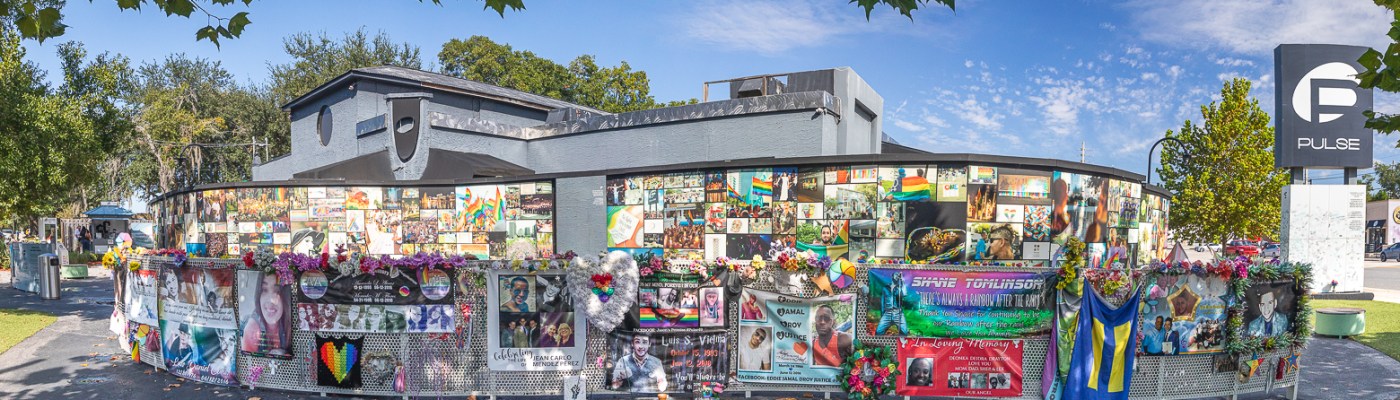
A couple of years ago I was in Orlando and visited the site where the Pulse Night Club once stood. The building is still there, but it is now a shrine to those that lost their lives to a shooter who proved to me that the hate for the LGBTQ community exists outside of the closet walls is real.
Self-acceptance is at the core of coming out and being open about one’s sexual orientation or gender identity is an important step in personal growth. Living in the closet can delay this process and hinder an individual’s ability to fully embrace their authentic self.
My hope is that as a society we recognize that everyone’s journey and decision to come out or live in the closet are deeply personal and influenced by individual circumstances including the society we live in. It is essential to create a safe and supportive environment where individuals feel comfortable expressing their identity on their own terms and at their own pace.
Let’s stop hating LGBTQ people just because they are different.
 made in the image