

I lived in a closet for 55 years. It was a lonely and scary place to live for so long. It was a secret that could never be told.
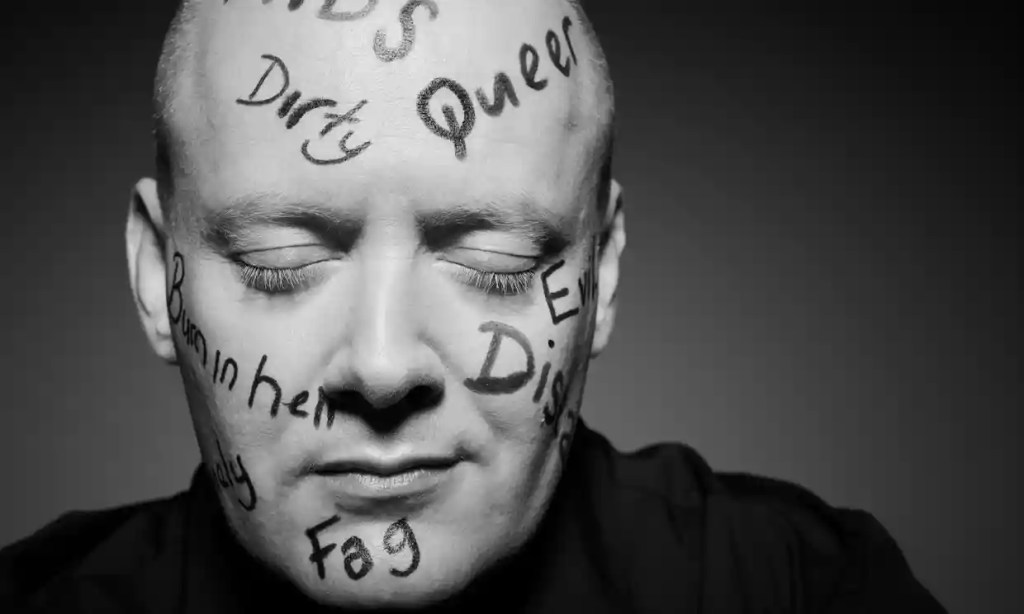
The lonely life of a closeted queer man can be a difficult and painful experience. A closeted queer man is someone who has not yet come out to others about their sexual orientation, often due to fear of rejection, discrimination, or persecution. This can be a very isolating experience as they feel like they cannot truly be themselves or share their true selves with others.
In many cases, closeted queer men may feel like they have to hide their true identity and maintain a façade of heterosexuality. This can involve pretending to be interested in the opposite sex, avoiding certain social situations or activities that could “out” them, and even entering into heterosexual relationships or marriages as a cover.
This constant deception can be emotionally draining and lead to feelings of guilt, shame, and self-loathing. It can also create distance between the closeted queer man and the people around them, as they may feel like they cannot fully connect with others or be honest about who they are.
Moreover, the closeted queer man may also experience feelings of loneliness, as they may feel like they are the only ones going through this experience. They may fear that if they do come out, they will lose the support of their friends and family, and that they will be ostracized from their community.
Closeted queers may have few friends for a variety of reasons. Firstly, they may fear that if they come out to their friends, they will be rejected or judged, so they may distance themselves from social situations or activities that could lead to them revealing their true sexual orientation. This can lead to them being isolated and having fewer opportunities to make friends.
Secondly, closeted homosexuals may feel like they are constantly hiding a part of themselves from others, which can lead to feelings of shame or self-loathing. This can make it difficult for them to form close friendships, as they may feel like they are not worthy of love and acceptance.
Additionally, closeted homosexuals may feel like they cannot be completely honest with their friends, which can create a barrier to forming meaningful connections. They may avoid sharing personal information or experiences that could reveal their sexuality, which can make it difficult for others to get to know them on a deeper level.
Moreover, closeted homosexuals may fear that their friends will not understand or accept their sexuality, which can create a sense of mistrust or distance. This fear can be especially strong if their friends come from conservative or religious backgrounds that may be hostile to homosexuality.
Coming out of the closet as a transgender person can be a complex and emotional experience. It is a process of revealing one’s true gender identity to others, which can be difficult and intimidating, especially if the individual has been hiding or suppressing their true self for a long time.
For many queer individuals, the process of coming out can be a significant and life-changing event. It can involve a range of emotions, including fear, anxiety, relief, and excitement. Fear and anxiety may stem from concerns about how others will react to the news, while relief and excitement may come from finally being able to live as their true selves.
The experience of coming out can also vary depending on the individual’s circumstances. I came out to my wife three years before coming out to my family and then came out publicly. Some transgender individuals may choose to come out gradually, while others may choose to come out all at once. i chose to give my wife an opportunity to wrestle with her own feelings before introducing my true self to anyone else.
For many transgender individuals, coming out can be a challenging and emotional experience, but it can also be an empowering and liberating one. It can allow them to live authentically, and to find acceptance and support from those around them who love and care for them.
For me, coming out of the closet as a queer person was complex and extremely emotional. My emotions ranged from fear, anxiety, relief, to excitement, and it was deeply felt, because of the love I have for my wife and family. For me, coming out was a powerful and liberating experience that now allows me to live as my true self. From here, I will seek and find acceptance and support from those around me who are willing to offer such support.
 made in the image
Be unapologetically yourself and spread your wings! There are people who you don’t know rooting for you. Wishes! 😊🌈✨
LikeLiked by 1 person
You are very kind. I have read and re-read your comment and appreciate you every time.
LikeLiked by 1 person